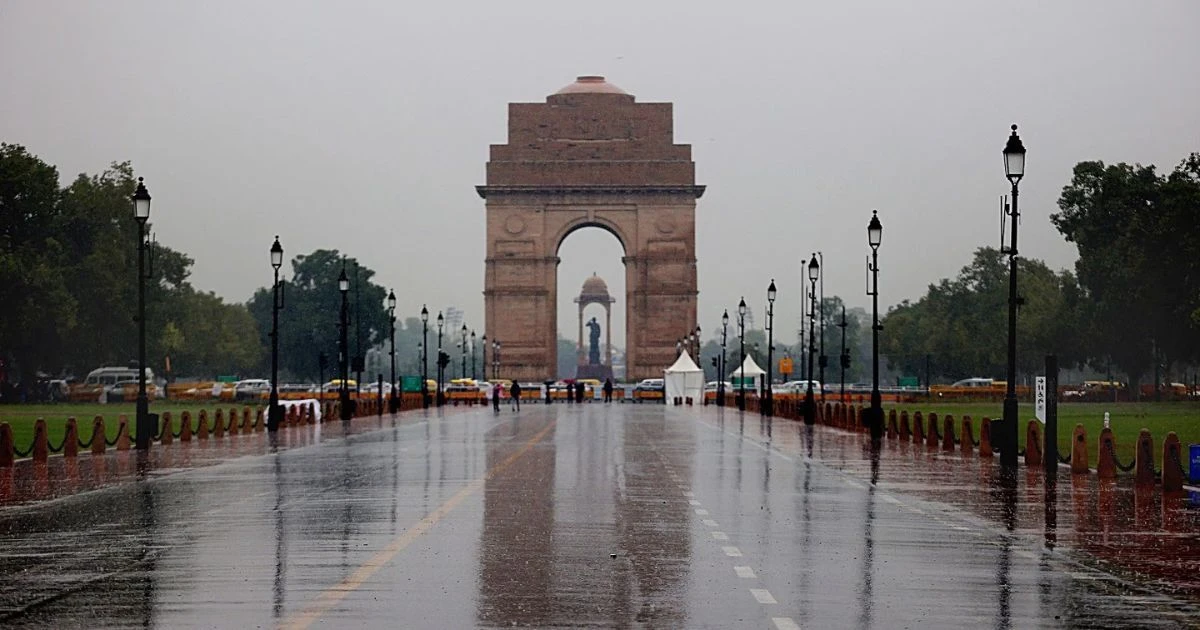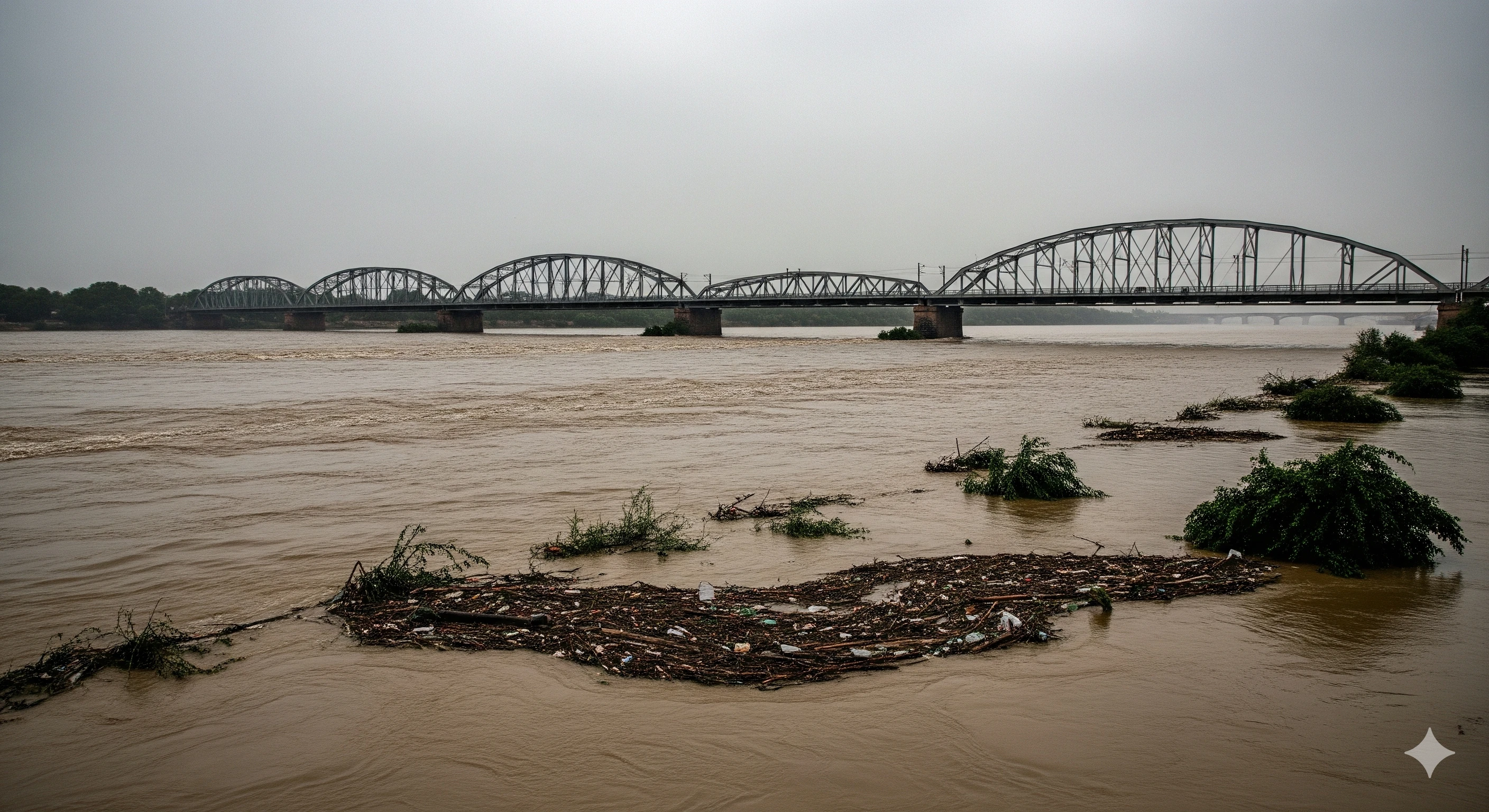
(Intro - Hook the reader with a personal, relatable opening) The monsoon season in Delhi brings a lot of things: a welcome relief from the heat, the smell of wet earth, and, for many, a sense of unease. With every downpour and every news bulletin, the question on everyone’s mind is the same: "What about the Yamuna?" Once again, the river's water level is on the rise, and a flood alert has been issued for the capital. But what's really happening, and are we headed for a repeat of the record-breaking floods of 2023?
(Section 1: The Current Situation - The "What" and the "When")
The Yamuna's water level at the Old Railway Bridge (ORB) has crossed the danger mark and is steadily climbing. As of the latest reports, the river is nearing the evacuation mark of 206 meters. This has prompted the Delhi Disaster Management Authority (DDMA) to take immediate action, including shutting down the Old Railway Bridge to all traffic and public movement.
The situation is being closely monitored, and authorities are on high alert, preparing to evacuate people from low-lying areas.
(Section 2: The Cause - The "Why")
The rising water isn't just a result of rainfall in Delhi. The main reason for this sudden surge is a massive release of water from the Hathnikund Barrage in Haryana. Over 3 lakh cusecs (cubic feet per second) of water were released from the barrage, which typically takes about 48 to 72 hours to reach Delhi. This large discharge, combined with continuous heavy rainfall in the upper catchment areas, is pushing the river level to critical heights.
(Section 3: The Impact and Precautionary Measures)
The rising water primarily threatens the low-lying floodplains along the river. These areas are home to thousands of people who live and farm on the riverbanks. While authorities are reassuring the public that the city's main residential areas are not in immediate danger, people in these vulnerable locations are being advised to move to safer ground.
Relief camps are being set up, and district officials are making arrangements for food, electricity, and shelter. Announcements are being made to caution residents and encourage them to cooperate with the authorities if an evacuation is ordered.
(Section 4: A Look Back - The Historical Context)
This isn't the first time Delhi has faced this threat. In fact, just a couple of years ago, in 2023, the Yamuna reached an all-time high of 208.66 meters, causing unprecedented flooding in parts of the city. The highest-ever discharge from the Hathnikund Barrage that year was over 3.5 lakh cusecs, which led to the inundation of key areas and the displacement of thousands. By comparison, the current discharge is significant, but authorities are hopeful that this time around, a coordinated and prepared response will prevent a repeat of that devastation.
(Conclusion - A Call to Action & Safety Tips)
While the situation is serious, there's no need to panic. The government has put teams on the ground, and preparations are well underway to manage any potential flooding.
Here’s what you can do to stay safe:
The Yamuna is more than just a river; it's a lifeline for the city, and its seasonal rhythms are a powerful reminder of nature’s force. Let’s hope for a swift receding of the water and a safe end to this monsoon season.


You need to Sign in to view this feature

This address will be removed from this list
 english